Our Testing Method for a Slot in Full
Every verdict on Lord of the Ocean comes out of this testing method. We load the official free demo, read its paytable and rules screen end to end, and quote only figures that Novomatic, an operator or a licence register has printed. The game prints one return in its rules screen while the casinos running it publish four lower ones, our recorded run covers 150 paid spins, and scores run from 1 to 10. This page walks through the process, including its four limits.
- Where testing happens
- The developer own free demo, every time
- Scoring scale
- 1 to 10, across 5 named criteria for a game verdict
- Evidence accepted
- Recorded session, studio rules document, licence register
- Sessions on record
- 1, of 150 paid spins
- Known limits
- 4, each printed on the page it affects
- Audience
- Adults aged 18 or over
Table of contents
Demo Play Comes First in Our Testing
Demo play comes before every other step, so testing starts in the current official client instead of on a marketing page. We load the demo, note the play-money balance of 25,000.00 it grants, then run a recorded session at a bet held fixed throughout.
Nothing is skipped. Every spin in a session goes into the written record. Nothing is ever reconstructed from memory afterwards.
That written record is what later turns into a score. The demo runs the same client an operator lobby loads, so it exposes the paytable, the settings panel and the feature behaviour, while the stake stays imaginary. Adults aged 18 years or over can open it without an account.
In Short, Before You Trust a Testing Score
Here's what a score on this site is worth: it's the product of two recorded play-money runs plus a pile of documents, and nothing else. We've never deposited at any casino named here, and you'll see that limit repeated wherever it matters.
That limit is deliberate, and it is stated on every page. A demo can't measure the psychology of real money, so the score speaks to mechanics, licensing and sourcing, while the return figures come from the studio and from the casinos themselves.
A session record lists the bet, the running balance after each spin and the final result. It is the only evidence that stands behind a sentence beginning with “in our testing”. The Lord of the Ocean free demo page shows how a reader can repeat the same run without an account.
What Should a Reader Check Before You Start?
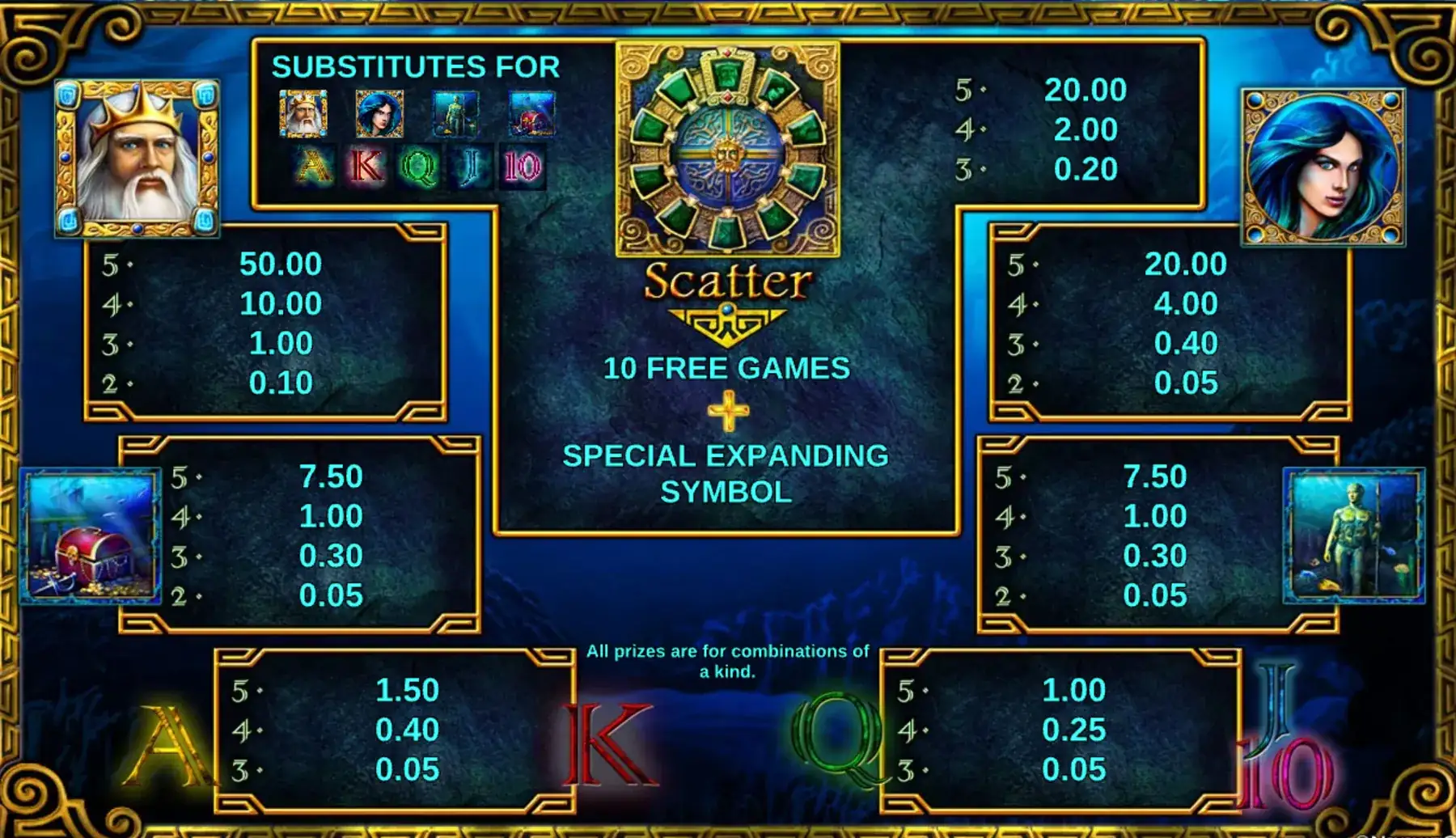
Four checks are worth making before you weigh a score, and each one is available without an account. Page through the paytable first, then compare the rules screen against what the studio publishes elsewhere.
- Open the demo and read all four paytable screens end to end.
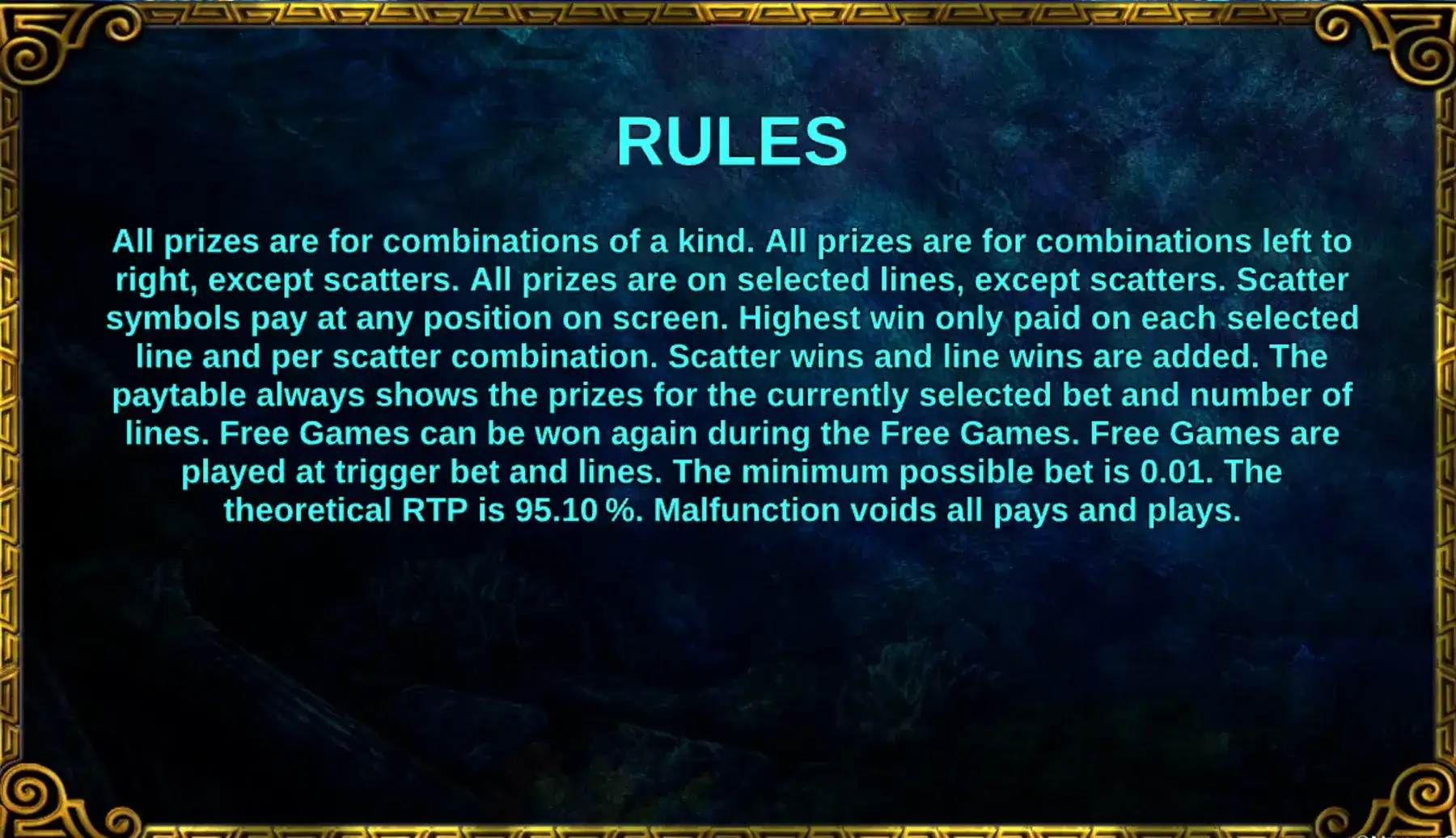
- Read the return printed on the rules screen, and treat it as the game's claim rather than your casino's.
- Confirm the supplier account number in the regulator register, according to the day you read it.
- Check which return your own casino publishes before you deposit anything.
The same client turns up inside an operator lobby, so a reader needs a few minutes and no money at all for the check. Doing the four in advance is the fastest way to test this method instead of trusting it, and all 23 pages carry the date of their own last check.
What Demo Testing Cannot Show
Demo testing has a ceiling, and this is the honest shape of it. Two hundred spins are far too few to say anything about a long-run return, so the published configurations do that job instead.
Our run closed 4.15 down across 150 paid spins, a session return of 72.3%, and the feature never arrived at all, so none of that return came from free games. Against the 95.10% the game prints for itself, a result like that over 150 spins is ordinary. Those are observations, not statistics, and the page says so wherever they appear.
The two runs disagree with each other in a way worth printing. The same feature, off the same trigger, paid 13.5 times the bet in one session and 65 times in the other. That gap is the volatility of this title stated in our own numbers, and it is more useful than any label.
Why a Single Spin Cannot Be Checked
This is where the method runs out of road, and saying so is more useful than dressing it up. A reel game of this kind exposes no server seed, no player seed and no published hash, so there is nothing a reader could hash together and compare. A spin is a result you either accept or do not.
A certified generator and a title-level certificate are two different assurances, and only the first of them exists here. The studio states at company level that its games have been certified by accredited test laboratories, though no certificate, number or audit date is published for this title, and none of those laboratories keeps a public per-title register a reader could search.
What a Reader Is Left With
What is left is an audit a reader has to take on trust, which is weaker than a proof they could run themselves. The gap gets printed as a gap rather than smoothed over.
So the two assurances appear side by side instead of merged, and the checks we can actually run take their place. The paytable, the rules text, the bet grid and the licence registers are all open to anyone, and every one of them is repeatable in an afternoon.
Sourced Numbers Quoted as Printed
Every number is sourced before it is printed, and the date of its check travels with it. Returns, bet limits and licence details come only from the client, the studio rules document, an operator page or a regulator register, and each figure keeps the shape they gave it.
The game prints one return on its own rules screen and the casinos running it publish lower ones, because the figure belongs to the deployment rather than to the title. Those two statements describe different things, so the pages keep them apart rather than blending them into one average.
The same sourcing rule governs the win side. The paytable names a ceiling in coins, 250,000 of them, and the familiar multiplier is that figure divided by the largest bet the game allows. We invent no payment methods, bonuses, licences or multipliers, and the return reference page is the model for this rule.
Honest Cons from Every Testing Round
Every page names its downsides. Cons are mandatory on every page that carries a verdict. A testing round that finds nothing wrong was never a test, so the drawbacks are written before the verdict.
Every page carrying a verdict includes a real downsides section and, where it applies, a named alternative the editors would pick instead.
The drawbacks stay specific: a return the operator may quietly set four percentage points lower, a feature whose expanding symbol can land on the cheapest icon in the table, a volatility rating the studio contradicts in its own documents, and a gamble round capped far below the game ceiling. We also name who should avoid the game, and that warning sits before the sponsored button instead of after it.
Scoring: 5 Criteria for a Game, 16 for an Operator
A game verdict rests on 5 named criteria and runs from 1 to 10: the return configuration, licence and certification, the feature, the bet grid and ceiling, and the disclosure behind every number. A score of 7 or higher means the analyst would open the demo again.
An operator score is a different instrument entirely. The engine computes it from the dossier rather than from an opinion, weighing 16 criteria across three groups: trust, the game itself, and money. Each criterion scores 10 when the operator publishes something checkable, 0 when it contradicts the record, and 5 when the operator simply does not publish it. A middling operator score therefore usually means silence rather than a bad casino, and that is exactly what it is meant to mean.
| Criterion | What is tested | Evidence accepted |
|---|---|---|
| Return configuration | Which return the lobby runs, and whether it names one at all | The game's own rules screen, the operator game page |
| Licence and certification | Supplier account numbers, and whether a laboratory names this title | Regulator register entry by number |
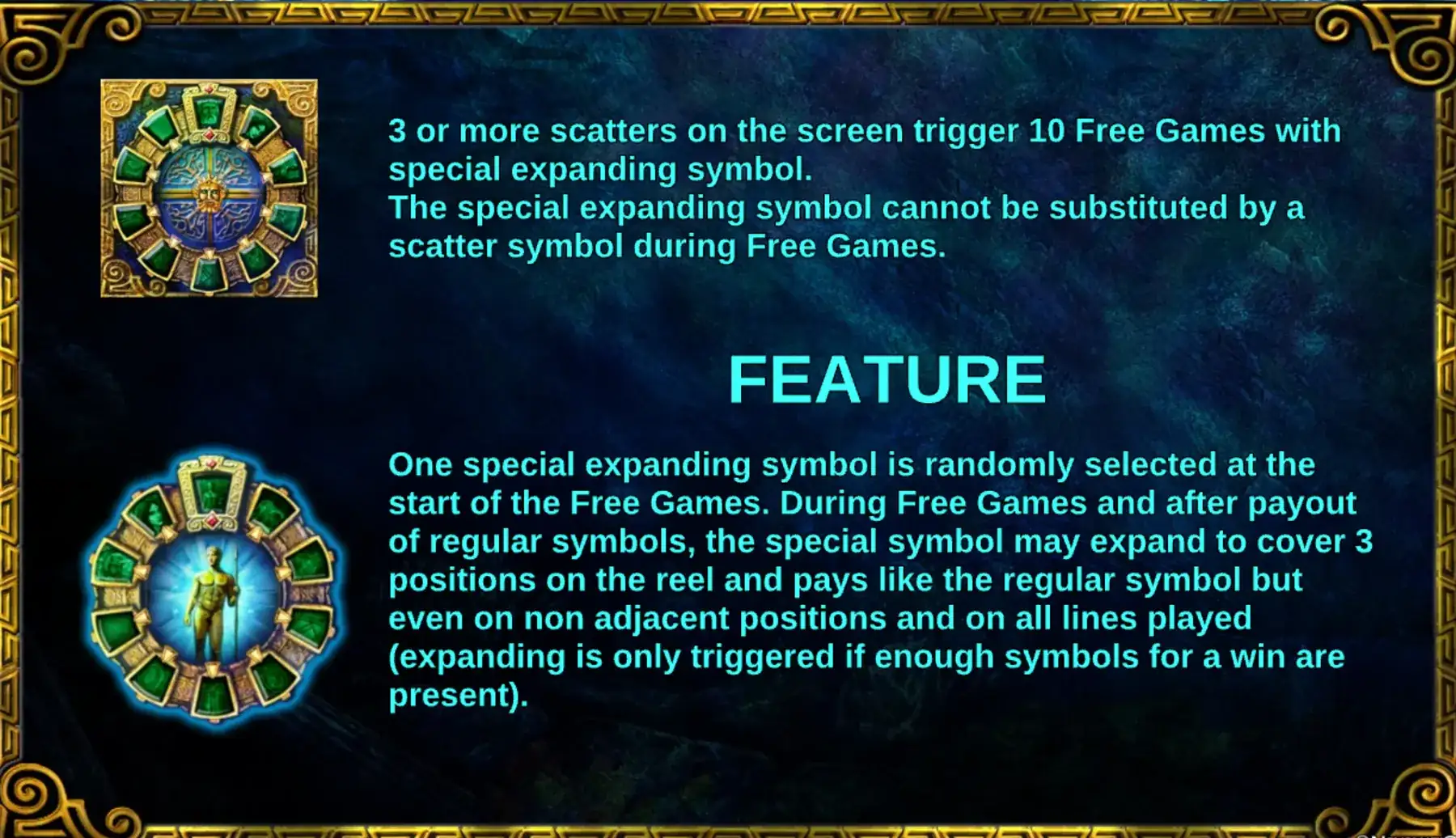
| The feature | How free spins trigger and re-trigger, and how the expanding symbol is drawn | Rules screen, paytable, recorded sessions |
| Bet grid and ceiling | Every stepper walked to its stop, and the ceiling each operator publishes | Control bar in the client, operator game page |
| Disclosure | Whether every number traces to an open source | Named source beside each figure on the page |
What the Client and the Registers Provide
The studio provides the demo client, and its paytable carries the symbol values, the scatter rules and the return figure in plain text. Demo mode supports play money only, so nothing you hold is ever at stake.
The registers supply the licence half of the same picture. The British register lists the supplier account with its licences, their start dates and any action recorded against it, and Malta lists the same group's B2B authorisation separately. The register is the version this site quotes when an operator's own footer disagrees with it.12 as a licensed Type 1 service with no termination date. You can read the two side by side in a couple of minutes.
What the studio does not settle is volatility. Its 2022 rules document rates this title 10 and calls it very high; its 2026 edition of the same document rates it 7 and calls it high. Both are the studio own paperwork, and you will see both printed instead of averaged.
Which Criteria Decide a Score?
Our criteria are fixed before a game is opened, and they stay fixed whatever the result turns out to be. To verify a claim, the editors go back to the document that carries it, then quote the wording they find there rather than their impression of it.
Every page includes the source beside the figure it carries. Readers can follow the same trail, so they can open a document themselves, and you can disagree with a score while still trusting the numbers under it.
Where the Return Figures Disagree
The return figures describe different deployments of one game, so the table keeps each one beside the document that prints it, with no averaging. A reader can then see which figure applies to the lobby they actually use.
| Document read | Return it prints | What the method does with it |
|---|---|---|
| The rules screen inside the game | 95.10% | Treated as the game's claim about itself, not as the figure any particular lobby runs |
| Binding game conditions from a state operator | About 94.2% | A regulator-published document, used to check the paytable line by line |
| The British licensees carrying the game | 92.13%, 95.10%, 95.1%, and two that publish none | Attributed to each operator by name, never generalised to the game |
What Else the Client States Outright
Four more values are stated outright by the client, copied here exactly as they appear. Nothing in the table is inferred from a third party.
| Field | Value as shown in the client |
|---|---|
| Win ceiling | Not stated in the client at all; operators publish four different figures |
| Free spins | 10 on three or more scatters, and 10 more when three land again inside the sequence |
| Gamble round | Offered by some operators, but no probability, ceiling or attempt limit is published anywhere |
| Scatter | Pays anywhere on the reels and acts as the wild, which is one symbol doing both jobs |
Operators Checked by Account Number
Operators are checked against the register that licenses them, and against nothing else. A casino page is tested the same way a game page is: the editors read the account number out of the operator's own footer, look it up in the British register, then read whatever that operator publishes about this title.
Everything an operator prints goes down exactly as found. Bet limits, demo availability, bonus rules and the wagering contribution for this game go down exactly as found. One licensee, for instance, publishes a contribution table that counts any slot at 100%, and that is quoted as that operator's own rule rather than as a market norm. Aggregator claims stay out, and a casino whose presence we could not prove simply gets no page here.
How Licence Regulation Is Confirmed
Regulation is confirmed by number instead of by badge, and the check caught something worth reporting. One operator prints a licence number in its own terms that no longer matches the one in the register, and another calls its account number a licence number, so the register is the version this site quotes. Three of the five British licensees carrying this game have paid a regulatory settlement, and those are reported beside the clean records rather than instead of them.
One category error is worth heading off, because it is common and it is wrong. Several markets license operators and keep no register of game studios at all, Germany among them, so a studio cannot hold a licence there and its regulator publishes no supplier numbers to quote. Any page claiming such a licence for this developer is describing something that does not exist.
- Account number and holder, read in the regulator's register on the test date.
- Presence of this title in the lobby, proved by a catalogue sitemap, a lobby record or an indexed game page.
- The wagering contribution for this game, read in the operator own bonus terms rather than in a banner.
- Demo availability, where the operator states it in a form a reader can check.
- Payment methods and identity-check rules, taken from the operator help pages.
The operator pages say not confirmed wherever a figure resisted verification. That wording is deliberate, because a gap a reader can see beats a number nobody can trace.
Terms This Method Uses
- Recorded session
- A demo run written down spin by spin, with the bet, the running balance and the outcome of each one.
- Certified generator
- A random number generator audited by an outside laboratory, and the only fairness assurance this title offers, since no spin here can be recomputed.
- Return configuration
- One of several certified versions of the same game a casino may run, which is why two lobbies can pay differently under one name and one set of artwork.
- Account number
- The operating licence reference, numbered and published in the regulator register, which is the document an operator claim is checked against.
What the Record Actually Holds
The record is two runs in the developer own demo, written down as they happened, never a deposit. Neither closing figure means anything on its own, which is exactly why the page prints the spin count beside it.
| Part of the record | Date | What it holds |
|---|---|---|
| Recorded run | 150 paid spins at 0.10, closing 4.15 down, with the feature never triggering | |
| Paytable and rules | All four screens read in the client and checked against a regulator-published document |
4 Types of Testing Limit, Compared
The complete list of testing limits runs to four entries, and each one shapes every score here. Readers who weigh a verdict should read them before the verdict itself.
| Limit | Why it exists | What happens instead |
|---|---|---|
| No real-money play | Testing runs in the free demo, with no deposit at any casino | Withdrawal timings are quoted from the operator terms |
| Short sessions | 250 spins cannot measure a long-run average | Return figures are quoted from the studio and from operators, never computed here |
| No spin-level proof | This title exposes no seed or hash a player could re-check | Fairness is reported as a certified audit, not as something we verified |
| Operator terms behind a geo-block | Some licensed casino sites refuse traffic from outside their market | A wagering rule we could not read is printed as not published, never guessed |
Does a Demo Spin Prove Anything?
A demo spin proves the mechanics, and it proves nothing about a long-run average. That is why every return figure is quoted from the studio or from an operator instead of measured here.
Readers can repeat any of it themselves in a few minutes. They will meet the same paytable, the same settings panel and the same feature our sessions recorded.
Recap: The 4 Limits of This Testing Method
Four limits shape this testing method, and the page names each out loud. Testing happens in the demo instead of with real money, so withdrawal speed is quoted from the operator terms. A hundred and fifty spins say nothing reliable about a long run, which is why every return figure comes from the game or a casino rather than from us. A spin cannot be recomputed by anyone, so fairness is reported rather than proved. And some operator terms that would settle a wagering question sit behind a block on traffic from outside their market, so silence is printed as silence.
Everything else on this page recaps in a sentence or two. Demo play comes first, the fairness gap is named rather than papered over, sourced numbers are quoted as printed, cons sit beside the verdict, a game verdict scores 10 on 5 criteria while an operator score weighs 16, and operators are checked by account number. All testing is done by the analyst who signs each page, and every page here is written for adults aged 18 or over.
Deposits and identity checks stay on the operator's own secure site.
Related Reading on This Game
More on this game, from the same section first: